SUMMARY
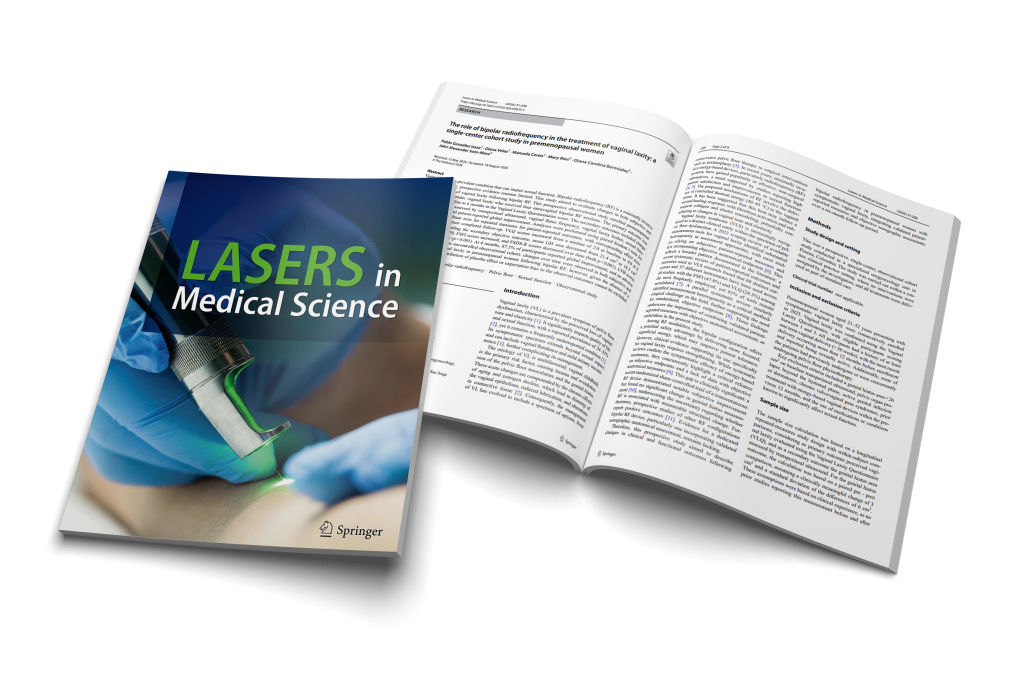
Vaginal laxity syndrome (VLS) is increasingly recognized as a distinct clinical entity within the spectrum of pelvic floor dysfunction. This prospective, observational study evaluated the clinical and functional impact of bipolar radiofrequency (FormaV) in premenopausal women with VLS. Patients underwent four treatments administered at approximately two-week intervals by a certified gynecologist. Outcomes were evaluated using the Vaginal Laxity Questionnaire (VLQ) and the Female Sexual Function Index (FSFI). At 6 month follow-up, treatment with FormaV was associated with significant improvement in subjective vaginal laxity and sexual function measures, together with a significant reduction in genital hiatus area measured by transperineal ultrasound. Additionally, at 6 months, 87.5% of participants reported global improvement, with no adverse events observed. The authors concluded that bipolar RF demonstrated positive outcomes for the management of vaginal laxity in premenopausal women.
TOPICS COVERED
- Use of the FormaV intravaginal handpiece to deliver temperature-controlled bipolar RF.
- Four FormaV treatment sessions targeting the anterior, posterior and lateral vaginal walls.
- Changes in patient-reported vaginal laxity and vaginal laxity-related bother.
- Objective measurement of genital hiatus area using transperineal ultrasound.
- Evaluation of female sexual function and sexually related distress over six months.
- Changes in vaginal flatus frequency and patients’ overall perception of improvement.
- Treatment tolerability and monitoring for adverse events.